Think like an owner
Treat the money like it's your own. Understand where it's going, question what it's buying, and take responsibility for the outcome.
Positive Small-Business Disruption
I believe big businesses can learn a lot from great small businesses. Great small businesses stay close to their customers, listen to their people, spend money like it's their own, and change things when they aren't working. I call that Positive Small-Business Disruption: bringing the ownership mentality, closeness to people and constant improvement of great small businesses into larger organisations.
The philosophy
Big businesses have capital, people, technology and scale most small businesses will never have. But as organisations grow, they can lose the behaviours that make great small businesses work — staying close to customers, staying close to the people doing the work, and making things a little better every day. Positive Small-Business Disruption is about bringing those behaviours back, intelligently, at scale.
Treat the money like it's your own. Understand where it's going, question what it's buying, and take responsibility for the outcome.
Don't let hierarchy or dashboards separate leadership from what employees and customers are actually experiencing.
"That's just how we do it" is one of the most dangerous sentences in business. Understand first. Then improve.
Most problems don't need a transformation programme. They need someone to find what isn't working and make it a little better — then do that again.
A question worth asking at every level: what are you struggling with?
Free tools
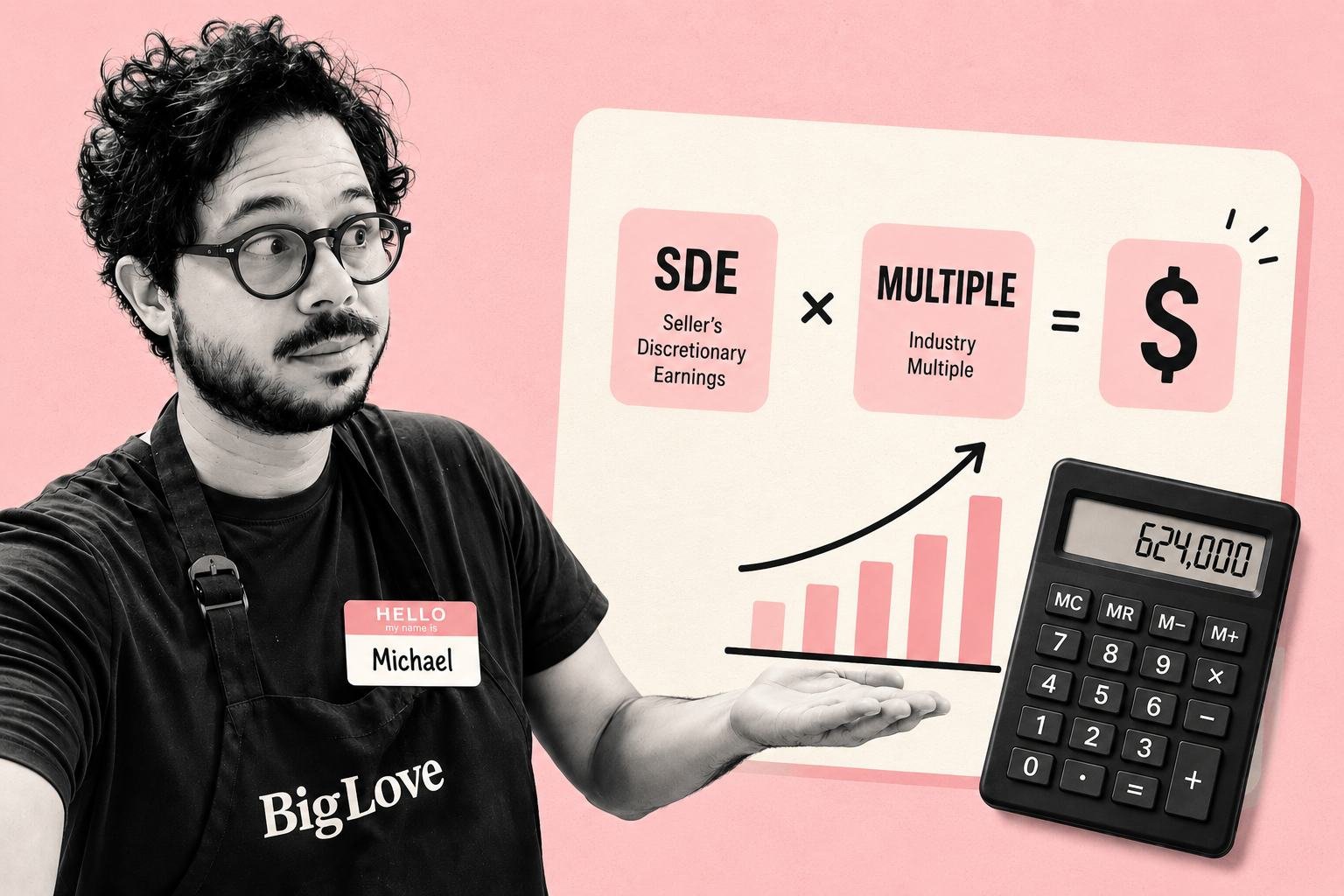
What's your business worth, and is it okay? Just two of the questions I had no straight answer to for years — now each takes under a minute.
See all 5 tools →Get a free, estimated valuation in around 60 seconds. No complicated spreadsheets. No financial jargon. No obligation to sell.
Your estimate comes with up to three Profit Lights — green, amber and red — explaining what's helping or holding back your valuation.
Get a free, educational health check score in around 60 seconds. Built from real operating experience running a food and beverage business, not a generic quiz.
Your score comes with up to three Profit Lights explaining exactly what's driving it — including whether labor or cost of goods is the bigger issue.
Articles
Essays on running better businesses — think like an owner, stay close to people, question everything, keep improving.
My new book started with a realization: the problem was never my discipline. It was the story I'd been told about time.
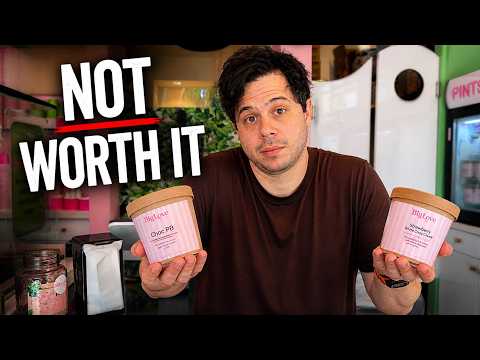
Read the article →Ten years into running a plant-based ice cream shop, I walked away from Erewhon, Whole Foods, and Gelson's. Here's the honest answer to the question I get asked the most.
Read the article →YouTube
The same real, unpolished lessons — no gurus, no hype — in video form.
Books
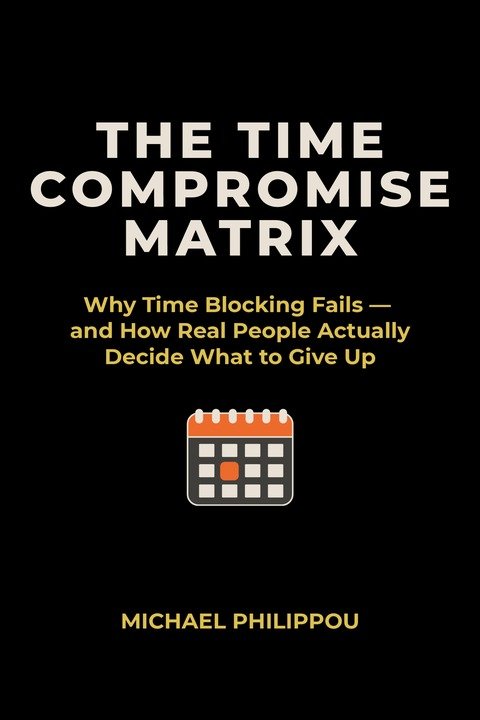
Why Time Blocking Fails — and How Real People Actually Decide What to Give Up
Most time-management advice asks how to fit everything in. The Time Compromise Matrix starts with a different premise: you can't.
Built around four competing priorities — Sleep, Family, Health and Progress — Michael Philippou introduces a simple framework for understanding the trade-offs we make with our time, and making those choices more consciously.
View the book →
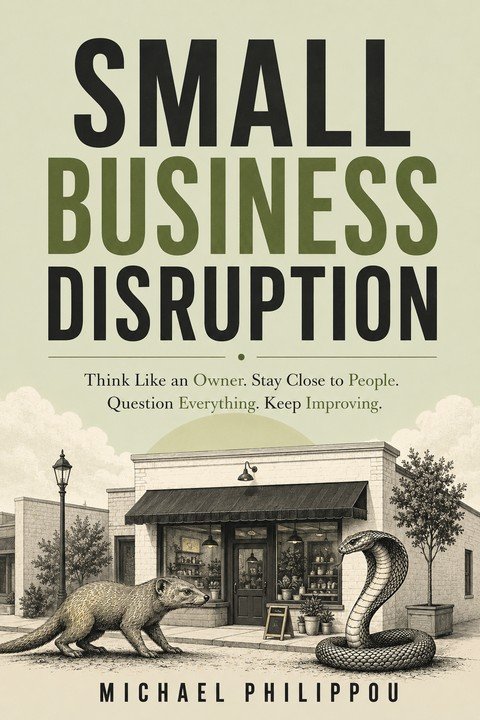
Think Like an Owner. Stay Close to People. Question Everything. Keep Improving. The developing long-form expression of the Positive Small-Business Disruption philosophy — currently in development.
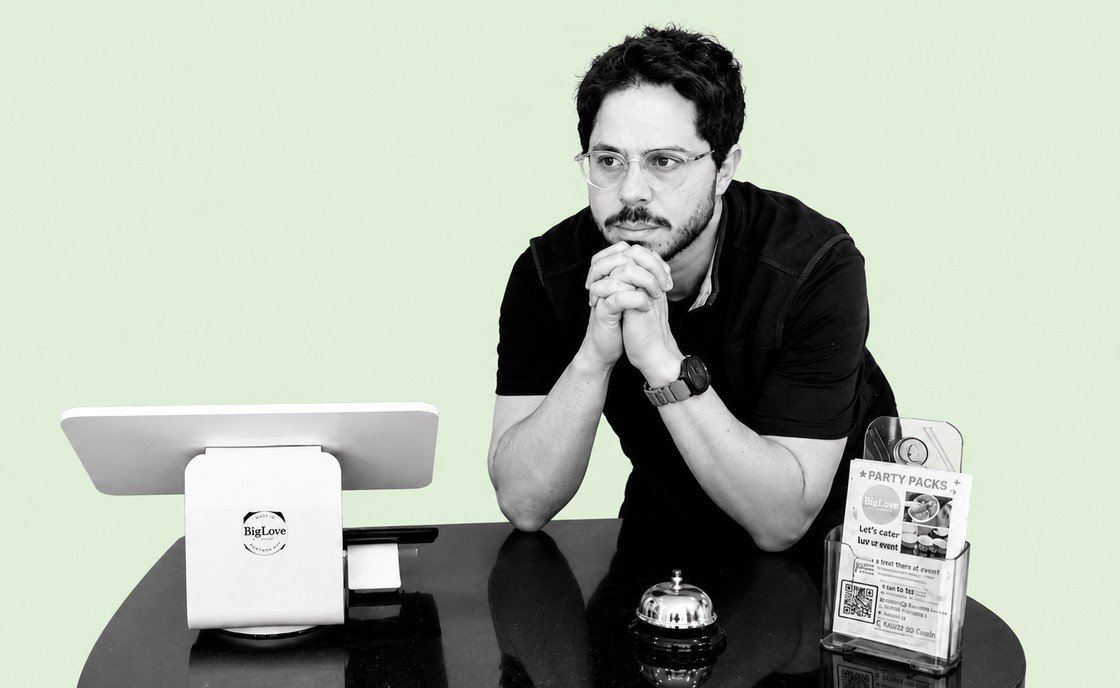
About Michael
Michael Philippou started his career as a UK-qualified lawyer. He left conventional legal practice to pursue entrepreneurship, and later completed an MBA, finishing top of his class.
He and his wife Victoria then moved from the UK to Santa Monica, California — not to buy an existing business, a franchise, or an inherited operation, but to build one from nothing. Together they created Big Love, a plant-based ice cream company, and have operated it for around ten years.
Building Big Love meant working through nearly every part of running a real business: the lease, the product, the brand, the suppliers, the pricing, the hiring, the training, the numbers, and the constant small improvements that either happen or don't. Positive Small-Business Disruption grew out of that decade — not from studying businesses from the outside, but from living with the consequences of running one.
Today, Michael writes about how the ownership mentality, customer closeness and relentless improvement of great small businesses can help larger organisations become better.